
Getting to know healthy habits
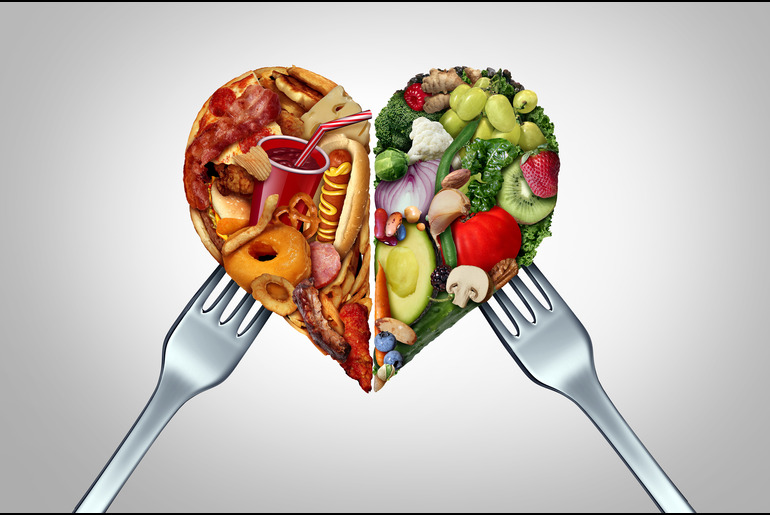
A healthy lifestyle includes a good mix of food choices, exercise, mental health, and enough sleep. These parts work together to improve health and well-being as a whole, which shows how important it is to adopt healthy habits. Nutrition is the basis of a healthy life. It means eating a variety of foods that give you the nutrients and energy you need. A healthy diet that includes a lot of fruits, vegetables, whole grains, lean proteins, and healthy fats can help lower the risk of long-term diseases like heart disease, diabetes, and obesity.
Exercise is just as important for a healthy lifestyle as other things. Regular exercise is good for your heart, makes you stronger, and makes you more flexible. The World Health Organization says that everyone should do at least 150 minutes of moderate-intensity aerobic activity every week. Regular exercise can make you feel better, help you live longer, and lower your anxiety and depression. This shows how important movement is in our daily lives.
Mental health is an important part of a healthy lifestyle, so don’t forget about it. Mindfulness, stress management, and connecting with others are all ways to improve mental health. Research indicates that sustaining a positive mental state can improve physical health, thereby establishing a feedback loop in which each element reinforces the others. Sleep quality is also an important factor that is often overlooked. For adults to function at their best, they need 7 to 9 hours of sleep each night. Not getting enough sleep can cause a number of health problems, such as cognitive impairment and a higher risk of chronic illnesses.
Many studies have shown that people who put their health first live longer and have a better quality of life. This shows that adopting healthy lifestyle habits as a group leads to better outcomes. By understanding how nutrition, exercise, mental health, and sleep all affect each other, we can come up with a complete plan that is necessary for getting and staying healthy and full of energy.
Nutrition: Giving Your Body the Right Fuel
Eating well is a key part of living a healthy life. A balanced diet is necessary to get the macronutrients and micronutrients your body needs to stay healthy. Carbs, proteins, and fats are macronutrients that are very important for energy production, growth, and the body’s overall health. Carbohydrates are the main source of energy for the body, and proteins are very important for repairing and maintaining muscles. Healthy fats help cells work and absorb nutrients, so it’s important to choose foods like avocados, nuts, and olive oil.
Micronutrients, like vitamins and minerals, are just as important because they help with many biochemical reactions in the body. Foods that are high in micronutrients usually come from a variety of food groups. Eating a variety of fruits, vegetables, whole grains, and lean proteins every day makes sure you get all the nutrients you need. You should eat at least five servings of fruits and vegetables every day. You can easily do this by putting them in smoothies for breakfast, salads for lunch, and sides for dinner.
To avoid overeating, it’s important to know how big your portions are. Using things like measuring cups or visual guides can help you keep your portion sizes right and stop you from eating too many calories. Meal planning is also helpful for making healthy food choices, which can help you deal with common dietary problems like eating too much sugar and processed foods. Planning meals ahead of time helps you make healthier choices because it makes it less tempting to choose quick but less healthy options.
Lastly, hydration is an important part of nutrition that people often forget about. Drinking enough water during the day helps digestion, nutrient absorption, and all of the body’s functions. Drinking enough water and eating a balanced diet are both important parts of a healthy lifestyle that can help people be their best physically and mentally.
Exercise: Moving Toward Health
Regular exercise is an important part of a healthy lifestyle because it has many benefits that go beyond just getting fit. Doing different kinds of exercise, like aerobic, strength training, and flexibility exercises, can greatly improve your heart health, make your muscles stronger, and make you feel better overall. The World Health Organization (WHO) says that adults should do at least 150 minutes of moderate-intensity aerobic activity each week, along with two days of strength training for the major muscle groups. This balanced approach not only helps with weight management, but it also lowers the risk of chronic diseases like diabetes, heart disease, and some cancers. This shows how important it is to have a complete health plan.
There are many simple ways to add more movement to your daily life. For example, people can choose to take the stairs instead of the elevator, walk or bike instead of driving, and do short workouts throughout the day. Also, people of all fitness levels can find easy ways to get fit by using resources like community fitness classes or online videos. Setting realistic and achievable fitness goals can help people get over common barriers to exercise, like not having enough time or motivation. It can be helpful to break big goals down into smaller, more manageable steps to keep yourself motivated and committed.
To show how physical activity can change your life, think about the stories of people who have successfully made exercise a part of their daily lives. For instance, a person who used to be sedentary might have started by promising to walk a little bit every day, then slowly increased the distance and tried different types of exercise until they were ready to run a marathon. These true stories show that anyone can live a healthier life by working hard and being determined in their physical activity journey. By making a concerted effort to prioritize movement, individuals can enhance their quality of life and embrace the myriad benefits that regular exercise provides.
Mental Health and Wellness: The Link Between Mind and Body
It is very important to have a good relationship between mental health and physical health in order to live a healthy life. Mental health affects how we think, feel, and act, which in turn affects our physical health. Chronic stress, anxiety, or depression may present in various physical forms, frequently resulting in health complications such as cardiovascular disease, obesity, and other conditions. Recognizing the connection between the mind and body is important for promoting overall health.
Mindfulness is a good way to lower stress because it teaches you to be in the moment without judging it. Mindfulness meditation can help people become more emotionally strong and aware, which can help them better control their thoughts and feelings. Also, deep breathing exercises and progressive muscle relaxation are good ways to relax and relieve mental stress.
Building social connections is also important for improving emotional health. Strong relationships with other people are important support systems that can help reduce stress and improve your ability to deal with difficult situations. Joining local clubs, going to community events, or joining online support groups can help you feel like you belong and make you feel less alone.
Self-care practices are another important part of mental health. These can be things like exercising regularly, eating a balanced diet, getting enough sleep, and setting limits to protect your personal time. It is also important to get professional help when you need it; therapy or counseling can give you useful information and ways to deal with your problems that are specific to you.
To get through tough times, it’s important to have practical ways to keep a positive attitude. Writing in a journal, doing gratitude exercises, and saying positive affirmations are all things that can greatly improve your mental health. Mental health apps, helplines, and informative websites are some of the extra resources that people can use to learn more about mental health and help them on their way to better health.