
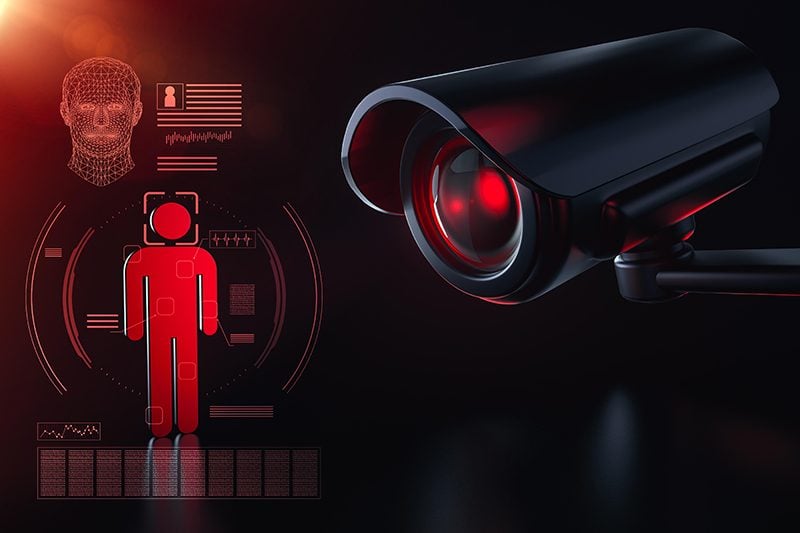
Video analytics surveillance technology has transformed how organizations monitor and secure their physical spaces. By automatically processing video feeds in real-time, these systems can detect anomalies, identify threats, and provide actionable intelligence without requiring constant human monitoring. This guide explores the fundamentals of video analytics, how it works, and its practical applications across various industries.
What is Video Analytics?
Video analytics refers to software that automatically analyzes video footage to detect, track, and classify objects and events. Rather than relying solely on human operators watching screens, analytics technology uses artificial intelligence and machine learning to interpret video content and flag significant activity. This automation makes surveillance more efficient, scalable, and effective.
Core Technologies
Artificial Intelligence and Machine Learning: Modern video analytics relies on AI models trained to recognize patterns, objects, and behaviors. These systems improve over time as they process more data, becoming better at distinguishing relevant activity from false alarms.
Computer Vision: This technology enables systems to “see” and understand video content by analyzing pixel data, identifying edges, detecting motion, and recognizing shapes and textures. It forms the foundation for all automated video analysis.
Real-Time Processing: Advanced systems process video feeds in real-time or near-real-time, enabling immediate alerts when concerning activity occurs rather than requiring post-incident review.
Key Features and Capabilities
Video analytics systems typically offer several essential features. Motion detection identifies movement within specified areas and can be configured to ignore irrelevant motion, such as trees or shadows. Object detection recognizes and classifies people, vehicles, packages, and other items of interest. Activity recognition identifies specific behaviors such as loitering, direction changes, or someone falling. License plate recognition captures vehicle identification information. Crowd analysis monitors pedestrian density and can alert operators to overcrowding. Heat mapping visualizes areas of highest activity over time, revealing traffic patterns and usage trends.
Common Applications
Retail and Commerce: Retailers use video analytics to monitor for theft, track customer movement patterns to optimize store layouts, and ensure employee safety. Heat maps show which product areas attract the most attention.
Transportation and Parking: Airports, transit stations, and parking facilities use these systems to detect unauthorized access, monitor congestion, and enforce parking regulations through automated license plate recognition.
Banking and Financial Services: Financial institutions deploy video analytics at ATMs, in branches, and around perimeters to detect suspicious behavior and prevent fraud or theft.
Industrial and Manufacturing: Factories use analytics to ensure workplace safety by detecting falls and accidents, monitoring unauthorized access to restricted areas, and verifying compliance with safety protocols.
Public Safety: Police departments and municipal authorities use video analytics to detect crimes in progress, identify wanted individuals, and analyze traffic patterns for enforcement efforts.
Critical Infrastructure: Power plants, water treatment facilities, and other infrastructure sites use these systems to monitor restricted areas and detect intrusions or unusual activity.
Advantages
Video analytics delivers significant benefits. It reduces costs by minimizing the need for continuous human monitoring while improving coverage. The technology enhances accuracy by applying consistent criteria and reducing human fatigue-related errors. It provides faster response times by sending immediate alerts for concerning activity. Analytics systems also create valuable business intelligence by tracking patterns, usage, and trends. Most importantly, improved security comes from comprehensive, consistent monitoring that human operators alone cannot achieve.
Challenges and Considerations
Implementing video analytics requires addressing several practical challenges. Privacy concerns arise when monitoring captures personal information, requiring clear policies and compliance with local regulations. System accuracy depends on proper installation, calibration, and maintenance—poor camera placement or lighting can reduce effectiveness. False alarms from misconfiguration or environmental factors can reduce operator responsiveness if not properly tuned. Initial costs for hardware, software, and professional installation can be substantial, though operating costs are typically lower than traditional security staffing.
Selecting a System
When evaluating video analytics solutions, organizations should consider their specific needs and environment. Factors include the area’s physical layout and lighting conditions, the types of threats or issues to monitor for, integration capabilities with existing security systems, and scalability for future growth. It’s essential to pilot systems in controlled settings before full deployment and to plan for staff training on proper use and maintenance.
The Future of Video Analytics
The field continues to evolve rapidly. Emerging capabilities include enhanced facial recognition, more sophisticated activity prediction, integration with other IoT devices and sensors, and improved performance in challenging conditions such as fog, darkness, or rain. As technology advances, video analytics will likely become even more intelligent, accessible, and integrated into broader security and business intelligence ecosystems.
Conclusion
Video analytics surveillance technology represents a significant advancement in security and operational monitoring. By automating video analysis, organizations can achieve better coverage, faster response times, and deeper insights into their physical spaces. While challenges remain around privacy, accuracy, and implementation, the benefits make video analytics an increasingly important tool for security professionals across industries. As the technology matures and becomes more sophisticated, it will continue to redefine how organizations approach surveillance and safety.