
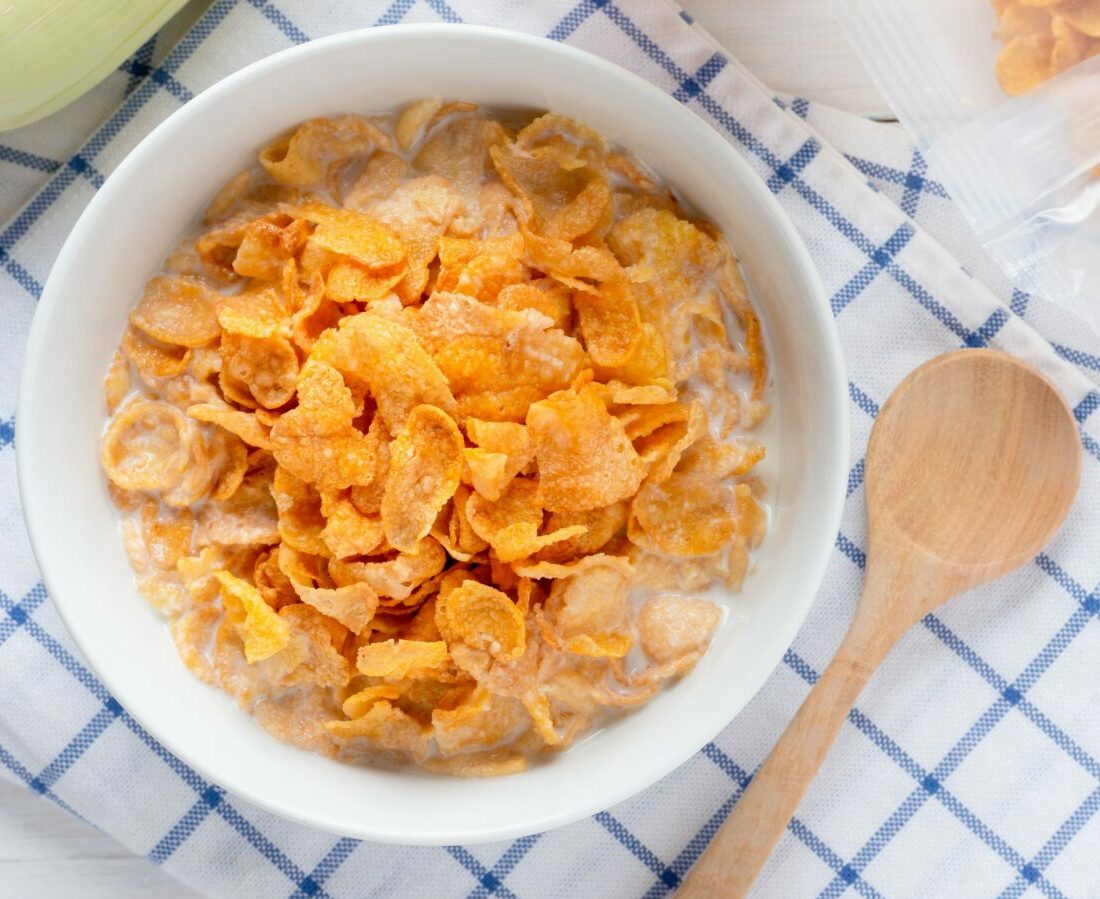
Getting to Know Cold Breakfast Cereals
Many people like and find it easy to eat cold breakfast cereals as a quick meal to start their day. These cereals are mostly made from processed grains and can have a range of textures and flavors that appeal to different tastes and dietary needs. There are many different kinds of cold breakfast cereals on the market, such as flakes, puffed grains, granola, and muesli. Each kind has a different mix of ingredients that appeal to different tastes.
To make flakes, corn or wheat is pressed into thin sheets and then toasted, which gives them a crunchy texture. When grains are heated and pressurized, they become light and airy, which is what makes puffed grains like rice or wheat. Granola is a baked mix of oats, nuts, and sweeteners that is chewy and crunchy. Muesli, on the other hand, is a mix of raw rolled oats, dried fruits, nuts, and seeds. These differences give customers a lot of choices, so they can find a cereal that fits their tastes.
Grains, sugars, and different additives like preservatives, vitamins, and minerals are the main ingredients in cold breakfast cereals. Many people think that whole grain options are healthier because they contain bran and germ, which are high in fiber and important nutrients. A lot of cereals also have added vitamins like B12 and D, which makes them more nutritious. Cold breakfast cereals are good for your health in many ways, such as by making your heart healthier, giving you energy, and helping your digestive system. When paired with milk or yogurt and fruit, they can be an important part of a balanced breakfast because they are a good source of carbohydrates and other nutrients.
How to Read Nutrition Labels
When picking out cold breakfast cereals, it’s important to know how to read nutrition labels. Nutrition labels give you useful information that can help you make better food choices. Fiber, sugar, protein, and fat are all important nutrients that have a big effect on health as a whole.
A balanced diet must include fiber. It helps with digestion and can help you stay at a healthy weight. If a cereal has at least 3 grams of fiber per serving, it is a good source of this nutrient. High-fiber cereals, which are often made from whole grains, are good for your health and make you feel full for longer.
When choosing cereals, you should also pay attention to the sugar content. A lot of breakfast cereals have a lot of added sugars, which can make blood sugar levels go up quickly and make you gain weight. Try to find cereals that have no more than 8 grams of sugar in each serving. You should look at the label to see if there are any added sugars. They can be listed as sucrose, fructose, or corn syrup, among other things.
Protein is important for keeping muscles healthy and can help you feel full. Cereals with more protein, like 5 grams or more per serving, can be especially good for you when you eat them with milk or yogurt. Also, don’t forget about the fat content; choose cereals that are low in trans fats and saturated fats to keep your heart healthy.
Lastly, whole grains are very important. Whole grain cereals have more vitamins, minerals, and fiber than cereals that have been processed. Look for labels that say “whole grain” is the first ingredient. By looking at these important parts of nutrition labels, people can make choices that are good for their health goals.
Finding the Right Fit for Your Life
When choosing a cold breakfast cereal, it’s important to think about your lifestyle, dietary needs, and taste. People have different nutritional needs, and cereals can meet these needs in different ways. People who can’t eat gluten, for example, should look for cereals that say they are gluten-free. These cereals use other grains like oats (which are guaranteed to be gluten-free), rice, or corn. This means that people who are sensitive to gluten can eat breakfast without worry.
The amount of sugar in breakfast cereals is another important thing to think about. A lot of products on the market have a lot of added sugars, which can make you gain weight and cause other health problems. Choosing cereals with little sugar, which often have whole grains, can give you the nutrients you need without being too sweet. To start your day off right, it’s best to read labels carefully and pick foods that don’t have a lot of added sugars.
High-protein cereals are also available for people who want to get more protein in their diet. These can be a healthy option. These cereals often have nuts or seeds in them, which are high in protein. They can be helpful for people who want to keep their muscle mass or feel fuller. When choosing a cereal with a lot of protein, it’s important to make sure it has a good balance of other macronutrients to give you all the nutrients you need.
Taste and texture are just as important as nutrition when it comes to choosing the right cereal. Different brands and types may taste, crunch, or chew differently. Trying out different cereals can help you find one that meets your dietary needs and tastes good. You can find the cereals that fit your lifestyle by trying different kinds. You can find the ones that are crunchy or soft, sweet or savory, or anything else you like.
How to Buy and Store Cereal
When you buy cold breakfast cereals, you should think about both the cost and the nutrition to get the most out of your shopping trip. Take advantage of sales and deals first. Many grocery stores have sales on cereals, especially during the holidays or when kids go back to school. Also, if you can, think about buying in bulk. This can save you a lot of money. You might also get more discounts and deals throughout the year if you sign up for a store’s customer loyalty program.
When you buy cold breakfast cereals, always look at the nutrition labels. Look for ones that are high in fiber and low in added sugars. Choosing whole grain cereals not only makes you healthier, but it also makes you feel fuller for longer. Choose cereals that list whole grains as the first ingredient to make sure you’re making a healthy choice.
It is very important to store cereals correctly so that they stay fresh and don’t go bad. You should store cereals in a cool, dry place that doesn’t smell too strong. If you can, put opened cereals in airtight containers. This will help keep them dry and safe from bugs, which will make them last longer. Also, only buy as much as you can eat in a reasonable amount of time so that the cereal doesn’t go bad.
It can be easy to make your cold breakfast cereals more nutritious. You could try serving them with fresh fruits like bananas, berries, or peaches, which add natural sweetness and important vitamins. Adding nuts or seeds can also add healthy fats and protein, making the meal more balanced. Finally, using dairy substitutes like almond or oat milk can make the food taste better and meet different dietary needs. You can eat cereals that are both healthy and cheap if you follow these tips.