

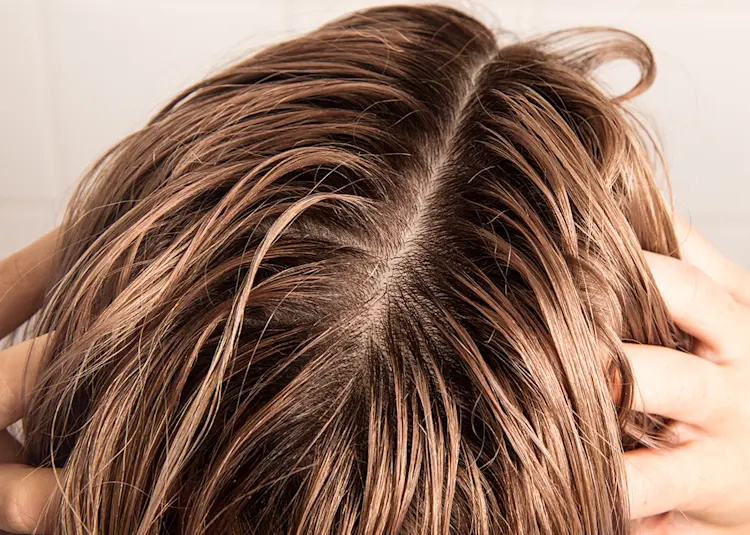
If you have red hair, you might have noticed something frustrating: your locks seem to accumulate oil faster than your friends’ hair. You’re not imagining it. There’s actual science behind why red hair tends to get greasy quicker, and fortunately, there are proven strategies to keep those beautiful red tones looking fresh between washes.
The Science Behind the Greasiness
Red hair has a unique structure that makes it more prone to looking oily. Here’s what’s happening on a microscopic level.
First, red hair tends to have a slightly different hair texture than other hair colors. The pigment that gives red hair its stunning hue is called pheomelanin, which is also responsible for freckles and fair skin. This pigment tends to be found in hair strands that have a more porous structure compared to hair containing eumelanin (the pigment in darker hair). Because red hair is naturally more porous, it absorbs and retains oils more quickly—both natural scalp oils and product buildup.
Additionally, red hair is typically finer and more delicate than other hair types. This means that the natural sebum your scalp produces travels down the hair shaft faster and more visibly coats each strand. On thicker, coarser hair, the same amount of oil spreads across a larger surface area, making it less noticeable.
There’s also a pigment consideration: the lighter color of red hair makes oil buildup far more visible than it would be on darker hair. That same amount of sebum that barely shows on brunette locks can make red hair look distinctly greasy.
How Red Hair Gets Oily Faster: The Vicious Cycle
Your scalp’s oil production actually works against red-haired individuals in another way. When your hair appears greasy, you might wash it more frequently. However, frequent washing strips away natural oils, which signals your scalp to produce even more sebum to compensate. For red hair, this creates a frustrating cycle of increasing greasiness.
Solutions: How to Keep Red Hair Fresh Longer
The good news? There are several effective strategies to manage oily red hair and extend the time between washes.
1. Wash Less Frequently
This seems counterintuitive when your hair looks greasy, but it’s one of the most effective long-term solutions. Your scalp needs time to regulate its oil production. Try extending your wash schedule by one day at a time. Initially, your hair might look greasier, but within two to three weeks, your scalp should adjust and produce less excess oil.
2. Use a Sulfate-Free Shampoo
Sulfates are harsh detergents that strip your hair of natural oils. Look for sulfate-free shampoos formulated explicitly for color-treated or oily hair. These gentler formulas clean effectively without disrupting your scalp’s natural balance.
3. Opt for a Clarifying Shampoo Weekly
While daily or frequent use is harmful, using a clarifying shampoo once a week can remove product buildup without overstimulating your scalp. This helps your regular shampoo work more effectively throughout the week.
4. Dry Shampoo Is Your Friend
Dry shampoo absorbs excess oils and adds volume between washes, extending your style’s lifespan. For red hair, look for tinted dry shampoos that match your hair color to avoid that chalky white residue. Apply it to the roots where greasiness tends to accumulate most.
5. Focus Shampoo on Your Scalp Only
When you wash, concentrate the shampoo on your scalp and roots, where oil naturally accumulates. Let the shampoo rinse through the lengths of your hair rather than scrubbing the entire shaft. Condition only the mid-lengths and ends, avoiding the scalp entirely.
6. Use Cooler Water
Hot water can stimulate oil production and open the hair cuticle, allowing oils to escape. Cooler water seals the cuticle, trapping moisture and natural oils where they belong. Finish your shower with a cool rinse for maximum benefit.
7. Avoid Heavy Products
Volumizing mousse, leave-in conditioners, and oils can compound the greasiness problem. If you must use styling products, apply them sparingly to the ends and avoid the roots. Look for lightweight, water-based products formulated for oily hair.
8. Consider Your Diet
Excess oil production can sometimes be influenced by diet. Reducing refined carbohydrates and increasing omega-3 fatty acids might help regulate sebum production. While this isn’t a guaranteed fix, many people report improvement after dietary changes.
9. Scalp Treatments
Products like scalp scrubs or treatments containing ingredients like salicylic acid can help manage excess oil without daily shampooing—these work by gently exfoliating the scalp and removing buildup, allowing it to maintain better balance.
10. Get Regular Trims
Split ends and damaged hair can look even greasier and more damaged when oily. Regular trims every six to eight weeks keep your red hair looking healthy and vibrant.
The Waiting Game
The most important thing to remember is that fixing oily red hair takes patience. Your scalp won’t regulate overnight. Give yourself at least a month of consistent habits before expecting significant changes. Many people find that their hair becomes noticeably less greasy after six to eight weeks of adjusted routines.
Conclusion
Red hair doesn’t have to mean constantly battling greasiness. By understanding the unique properties of red hair and adjusting your hair care routine accordingly, you can keep your gorgeous red locks looking fresh and vibrant for longer. Start with the basics—washing less frequently and using gentler products—and build from there. Your future self will thank you for those extra grease-free days between washes.