

Blood pressure is a very important sign of heart health, and its link to age makes it a complicated issue that affects millions of people around the world. As we get older, our bodies go through natural changes that affect our blood pressure. At the same time, our blood pressure levels affect how we live, work, and enjoy life. To stay healthy and have a good quality of life as you get older, you need to understand this complicated relationship.
Learning the Basics of Blood Pressure
Blood pressure is the pressure that blood puts on the walls of blood vessels as it flows through them. It is measured in millimeters of mercury (mmHg) and has two numbers: systolic pressure (the higher number, measured when the heart beats) and diastolic pressure (the lower number, measured when the heart rests between beats). Most people think that normal blood pressure is around 120/80 mmHg, but the best ranges can be different for each person and their age.
The heart is the main pump that keeps blood flowing through the body. The cardiovascular system is a closed-loop network. When this system is working well, it gets rid of waste products quickly and sends enough oxygen and nutrients to the organs. But when blood pressure goes up or down too much, this delicate balance is broken, which can cause health problems and make it harder to live a normal life.
The Link Between Age and Blood Pressure
As people get older, their cardiovascular systems change in ways that directly affect how blood pressure is controlled. Arteriosclerosis is the process by which arteries naturally lose their elasticity and become stiffer as people get older. Because of this stiffening, arteries can’t expand and contract as well with each heartbeat. This makes systolic pressure go up and often makes the gap between systolic and diastolic readings wider.
The heart muscle may also get thicker over time, and the body may not be able to keep sodium and fluid levels in check as well as it used to. These changes in the body make blood pressure go up as people get older, even if they are healthy. Studies indicate that systolic blood pressure generally rises by about 1-2 mmHg annually post-50 years of age, whereas diastolic pressure may experience a slight decline in older individuals.
As people get older, the number of people with high blood pressure goes up a lot. About 10% of people in their 20s have high blood pressure, but this number goes up to more than 50% for people in their 60s and can even go up to 70% for people over 75. This rise in blood pressure with age isn’t just a cosmetic issue; it shows a big change in how the heart and blood vessels work and has a direct effect on choices and abilities.
How lifestyle affects people of different ages
People in their 20s and 30s
For younger adults, problems with blood pressure are often caused by their lifestyle rather than their age. Stress from work, not getting enough sleep, eating poorly, and not getting enough exercise can all raise blood pressure. When young adults get high blood pressure, it often makes them realize they need to make big changes in their lives.
During these years, the effects on lifestyle are often about making healthy choices. Young adults who are worried about their blood pressure may need to cut back on alcohol, eat less sodium, exercise regularly, and learn how to deal with stress. The benefit of addressing blood pressure issues early is that lifestyle changes tend to work very well, and the long-term benefits of early intervention are very big.
Blood pressure may also play a role in choosing a career. You may need to look more closely at jobs that are very stressful, have strange hours, or require certain physical abilities. But younger adults are often able to make successful lifestyle changes without major changes to their life goals because they are flexible and adaptable.
Age 40 to 50
The middle-age years are a very important time when changes in the heart and blood vessels that happen with age start to become more obvious. Even if they’ve been living pretty healthy lives, this is often when people find out they have high blood pressure for the first time. The natural aging process, stress that builds up over time, and often more responsibilities all come together to make blood pressure rise.
During this time, changes in lifestyle can have a big effect. People in their 40s and 50s may find that things they used to enjoy without thinking about them now need more thought. You might need to change your travel plans to make sure you take your medicine and can get to the doctor. Stress levels and health insurance may affect career choices. Taking care of aging parents while also taking care of children can add to stress, which can make blood pressure problems worse.
This age group often has a hard time keeping their health while also trying to balance competing priorities. During the busiest years of your career, when you have family obligations, and when you start to notice signs of aging, you may accidentally make your blood pressure worse. A lot of people in this age group need to learn how to put their health first in ways they never thought they needed to before.
Adults 60 and older
Managing blood pressure becomes more important for older adults when they plan their lives. Higher blood pressure readings are more common and often need medication management, which means you have to think about drug interactions, side effects, and how well you follow the instructions. As people get older, the risk of problems from both high and low blood pressure rises, so it’s important to keep an eye on it closely.
Depending on your blood pressure, you may need to change how you do physical activities. Exercise is still important for heart health, but older adults may need to stay away from some high-intensity activities or positions that make their blood pressure change quickly. You may need to limit or avoid activities like heavy lifting, sudden changes in position, or being in very hot or cold weather.
When you need to take blood pressure medicine, socializing and traveling become more difficult. Meal planning, taking medicine on time, and getting to see a doctor all become important things to think about. But many older adults can still live active, fulfilling lives by keeping their blood pressure under control. They often find new activities and interests that are good for their health.
Changes and adaptations to daily life
Things to think about when it comes to food
Blood pressure has a big effect on what people of all ages eat, but the effects are different for different ages and levels of severity. Limiting sodium is the most well-known dietary change, and it can mean making big changes to how you eat. To avoid salt, you need to do more than just stay away from the salt shaker. You also need to learn how to read food labels, choose fresh foods over processed ones, and often learn new ways to cook.
The DASH diet, which stands for “Dietary Approaches to Stop Hypertension,” is now the best way to control blood pressure. It focuses on fruits, vegetables, whole grains, lean proteins, and low-fat dairy products while limiting sodium, sugar, and unhealthy fats. To follow this eating pattern, you often have to make big changes to your daily life, such as how you shop for groceries and how you cook meals.
Older adults may find it especially hard to change their diets because they may not be able to taste as well, have dental problems, have trouble moving around to shop and cook, or have fixed incomes that limit their food choices. Eating with other people may also change, since meals at restaurants and social events often include foods that are high in sodium or otherwise not good for keeping blood pressure under control.
Exercise and Activity
The link between blood pressure and exercise makes it both easier and harder to change your lifestyle. One of the best ways to control blood pressure without drugs is to get regular exercise. For people with high blood pressure, it can lower systolic pressure by 4–9 mmHg. But you need to think carefully about the type, intensity, and timing of your workouts.
Aerobic exercise, like swimming, brisk walking, cycling, or dancing, is especially good for keeping blood pressure in check. Resistance training can also be helpful, but you need to keep an eye on your blood pressure because it can go up and down a lot during the workout. High-intensity interval training has shown promise, but it may not be suitable for everyone, especially those with uncontrolled hypertension.
Age is a very important factor in how well someone adapts to exercise. Younger adults might be able to do vigorous exercise programs with few changes, but older adults might need to focus on moderate-intensity activities and be more careful about how quickly they progress. Having other age-related health problems, like arthritis or osteoporosis, can make it even harder to plan your workouts.
Things to think about for work and career
People of all ages can have problems with their blood pressure that make a big difference in their work and career choices. People with high-stress jobs may need to rethink or change their jobs because long-term stress is a major cause of high blood pressure. People who work shifts may have trouble managing their blood pressure because it can mess up their sleep and medication schedules.
People with high blood pressure may have trouble with the physical demands of some jobs. Jobs that require heavy lifting, working in extreme temperatures, or working at high altitudes may need to be changed or may no longer be safe. Side effects of blood pressure medications, like dizziness, tiredness, or changes in thinking, can also affect how well you do your job and what career you choose.
When older workers plan for retirement, they may need to think about their blood pressure. When deciding whether or not to retire, people have to think about things like their need for health insurance, access to specialized medical care, and the physical demands of continuing to work. Some people may decide to retire earlier than they had planned because of health issues, while others may need to work longer to keep their health benefits.
Activities for Fun and Socializing
Controlling blood pressure can have a big effect on social and recreational activities, but these effects don’t have to be completely limiting. It’s important to be careful when eating with other people because restaurant meals and social events often have foods that are high in sodium. If not handled properly, this can lead to social isolation. On the other hand, it can also lead to the creation of new social activities that focus on making healthy choices.
Depending on your blood pressure, you may need to change how you do recreational activities. You may need to limit or avoid activities that involve quick changes in position, very hot or cold weather, or a lot of stress. Traveling requires extra planning to make sure you take your medicine and can get medical care. Changes in time zones can make it hard to stick to medication schedules, and changes in altitude can change blood pressure readings.
But a lot of people with high blood pressure can still have full social and recreational lives. This often means finding new things to do that are good for your health, like walking groups, cooking classes that teach you how to make healthy meals, or gentle fitness activities. The key is to change things up instead of getting rid of fun things.
Managing medications and how they affect your lifestyle
When changes to one’s lifestyle aren’t enough to lower blood pressure, medications are needed. This means that people need to think about their lifestyle in a new way. Blood pressure medications work in different ways and can have different side effects that affect daily life. Diuretics can make you urinate more often, which can affect your sleep and travel. Beta-blockers may lower your ability to work out or make you tired. Some people may have a cough that won’t go away after taking ACE inhibitors.
When you take your medicine can change your daily routine. Some medicines work better when taken in the morning, while others work better when taken at night. Taking more than one medication at a time may require different times, which can make schedules complicated and require constant maintenance for the best results.
As we get older, it’s even more important to take our medications as prescribed because uncontrolled blood pressure can have worse effects. This might mean making changes to your daily life, like using pill organizers, medication reminder systems, or getting family members involved in managing your medications. The cost of medications can also affect how people live, especially older people who don’t have a lot of money.
Technology and Keeping an Eye on Things
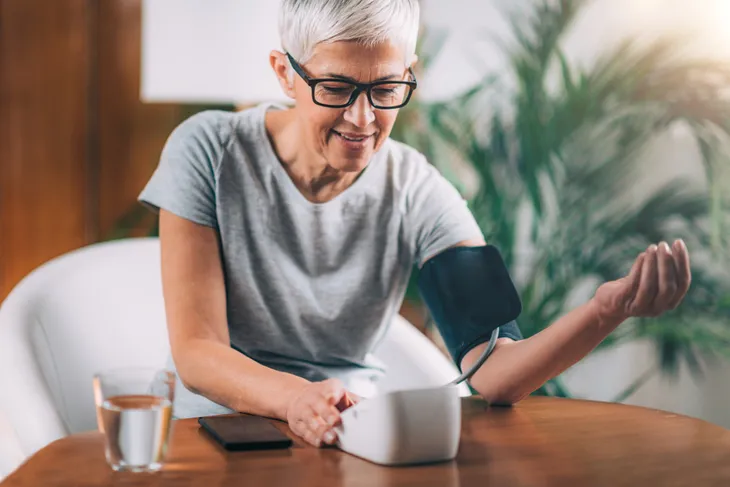
Modern technology has changed the way we check and manage blood pressure, opening up new ways of living and things to think about. Home blood pressure monitors let you check your blood pressure regularly without having to go to the doctor all the time. This makes it easier to manage and find problems early. This also means that you need to make checking in on things a part of your daily life.
Wearable devices and smartphone apps can keep track of things like blood pressure, how well you take your medications, and how active you are. These tools can help you make changes to your lifestyle by giving you useful information and motivation, but they also take time and effort to use well. Some people find the data too much to handle, while others find it empowering and motivating.
People with high blood pressure can now stay in touch with their doctors more easily because of telemedicine, which means they don’t have to go to the office as often. This is especially helpful for older people or people who have trouble moving around. But you need to be comfortable with technology and have a reliable internet connection.
Psychological and Emotional Factors
Blood pressure problems can have a big effect on your mental health and your way of life. A lot of people worry about their blood pressure readings, which can make it harder to control their blood pressure. Worrying about health problems or feeling like you have no control over your health can make you depressed or anxious.
Changes to your lifestyle that are necessary to control your blood pressure can feel limiting or overwhelming, especially when you need to make a lot of changes at once. Food restrictions or activity limitations can make people feel alone or different from their peers because of the social aspects of these things. This is especially hard for older adults who may already be going through other losses or changes.
But a lot of people say that making changes to their lifestyle to control their blood pressure has helped their mental health as well. Being able to manage a long-term illness can make you feel more powerful, which can boost your self-esteem and confidence. Changing your lifestyle often makes you healthier and gives you more energy, which can improve your mood and quality of life.
Preventing and acting early
The best way to deal with the effects of high blood pressure on your lifestyle is to stop them from happening in the first place and get help as soon as possible. This means knowing your family’s health history, getting regular check-ups, and making healthy lifestyle choices before problems happen. Young adults who learn how to eat well, work out regularly, and deal with stress in a healthy way are much less likely to have serious blood pressure problems as they get older.
If you catch your blood pressure rising early, you may not need medication or have to make as many lifestyle changes. This could mean making small changes to your diet and exercise routine instead of big ones that are hard to stick with over time.
Education is very important for stopping problems before they start and getting help early. Knowing what puts you at risk for high blood pressure, spotting early signs, and knowing when to see a doctor can make a big difference in how things turn out in the long run. This education should start early in life and continue as people get older, since risks and things to think about change.
Things to think about in the future and new trends
As medical knowledge and technology improve, the way we manage blood pressure keeps changing. Researchers are working on new drugs that have fewer side effects. This could make pharmacological treatment less of a burden on daily life. Better understanding of the genetic factors that affect blood pressure may lead to more personalized treatment plans that don’t require as many changes to your lifestyle.
Wearable technology is getting smarter all the time, and devices that can keep an eye on your blood pressure all the time are becoming easier to find. This could change how we manage blood pressure by giving us feedback in real time and getting rid of the need for traditional monitoring routines.
Investigating the influence of the gut microbiome, sleep quality, and environmental factors on blood pressure regulation may yield novel lifestyle interventions that are more precise and efficacious than existing methods. Personalized medicine approaches may ultimately facilitate treatment plans customized to individual genetic profiles and lifestyle preferences.
To sum up
There are many factors that affect blood pressure, age, and lifestyle, and they all have an effect on almost every part of daily life. As we get older, our risk of having blood pressure problems goes up, and these problems require major changes to our daily lives. However, it’s important to remember that these problems are manageable and don’t have to make life very difficult.
To manage these factors well, you need to know how they all work together and take steps to keep your health in good shape. This means keeping an eye on things regularly, stepping in when problems come up, and being open to changing your habits as needed. People of all ages can live happy, active lives while keeping their blood pressure under control if they manage it well.
People who see managing their blood pressure as a chance to adopt healthier habits that improve their overall health are the most successful. Changing your point of view from one of restriction to one of empowerment can make the difference between reluctantly following health-promoting behaviors and eagerly participating in them.
As medical knowledge and technology continue to advance, the burden of lifestyle modification for blood pressure management is likely to decrease while the effectiveness of interventions improves. The basic rules for managing blood pressure will always be healthy eating, regular exercise, stress management, and regular checkups with a doctor.
People can make smart health decisions and plan for the future if they understand and accept how blood pressure, age, and lifestyle are related. You may need to make some changes and adjustments along the way, but it is possible to age successfully while keeping your blood pressure under control and living a full, happy life.